
The God molecule
Bufo refers to 5-MeO-DMT, one of the most powerful psychedelic compounds known to science — so profound that many who meet it simply call it "the God molecule." The experience is fast-acting and short-lived, but vast: a complete dissolving of the ego and a sense of merging with everything, of being held in a boundless unity. People often come back with no words for it, only the certainty that they touched something true.
The molecule is found in the secretion of the Sonoran Desert toad, and it also occurs in a number of sacred plants. To understand Bufo honestly, you have to hold two histories at once — one ancient, one very new.
An ancient lineage: yopo and the sacred snuffs
5-MeO-DMT is not new to humanity. The same molecule occurs in the seeds of Anadenanthera trees and in Virola bark — the sources of sacred snuffs known as yopo, cohoba, vilca, and epéna. Indigenous peoples of South America and the Caribbean have prepared and inhaled these snuffs for thousands of years, blowing them through hollow reeds and bird bones in ceremony. Archaeological evidence of this practice runs deep into the ancient past. This is the documented, ancestral lineage of the molecule — older than almost any medicine we know.
The toad of the Sonoran Desert
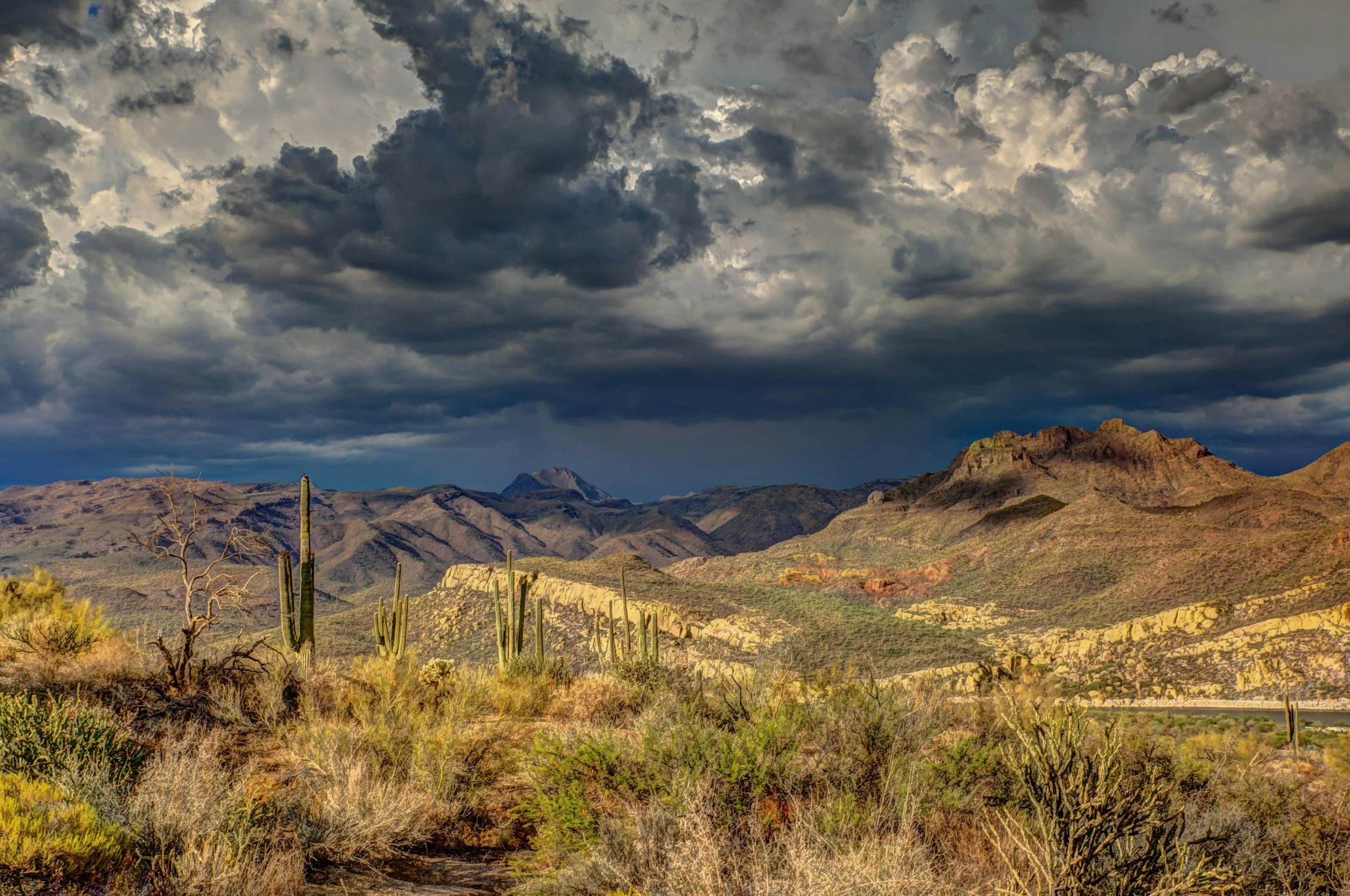
The Sonoran Desert toad (Incilius alvarius, long known as Bufo alvarius) carries 5-MeO-DMT in its defensive secretion. Western chemists first synthesized the molecule in 1936, and confirmed its presence in the toad in 1965. What is more recent is the practice of collecting that secretion, drying it, and inhaling its vapor — the form most people in the modern world now associate with the word "Bufo."
An honest history
We choose to tell this story honestly. The deep, provable ancestral lineage belongs to the plant snuffs like yopo. The practice of working with the toad's secretion, by contrast, is largely a modern one — and scholars continue to debate how old it truly is. The Comcáac (Seri) of the Sonoran Desert carry their own oral traditions of working with this medicine that, by their telling, reach back long before any outsider "reintroduced" it to them. In recent decades, the Comcáac, along with the Tohono O'odham and Yaqui peoples of the same desert, have woven the medicine into their practices. We honor all of it: an ancient molecular lineage, a contested and still-unfolding human story, and a living, present-day relationship between people, medicine, and the land.
Protecting the toad
With the world's sudden hunger for this medicine, the toad has come under real pressure — over-harvested and disturbed in its fragile desert home. We believe the answer is not to abandon the animal for a lab-made substitute, but to honor it the way the tradition always has: through correct, respectful harvesting in the hands of the elders and trained practitioners who know how to gather the secretion gently and return the toad, unharmed, to the wild. To protect this medicine is to protect the toad itself — its life, and the desert land it belongs to.
The science is catching up
Western researchers are now studying 5-MeO-DMT with real seriousness, and the early findings are striking. It is being investigated as a rapid-acting treatment for depression — including treatment-resistant depression — as well as for anxiety, and increasingly for addiction, with a notable line of research exploring its potential in alcohol use disorder. Early-phase clinical trials have generally found it well tolerated, with side effects that are mild and pass quickly.
Part of what fascinates scientists is how the molecule appears to quiet the brain's "default mode network" — the circuitry tied to our sense of a fixed, separate self. When that network loosens, people often report the very ego-dissolution and unity the tradition has always pointed to. It is worth being clear-eyed: this research is still young, much of it in small or early trials, and 5-MeO-DMT is an extraordinarily potent medicine that calls for careful screening and skilled facilitation. But the direction is unmistakable — science is beginning to measure what the ancestors already knew.
A modern witness
The conversation has reached the mainstream. In 2026, the longevity pioneer Bryan Johnson publicly sat with 5-MeO-DMT — even livestreaming the experience — and described receiving what he called the most expansive "map" of consciousness he had ever encountered, so meaningful to him that he had the molecule tattooed on his body. He is exploring it as part of his broader work on human longevity and the aging brain (we will meet him again in the Mushrooms section). It is honest to note that there is not yet human evidence that any psychedelic slows aging — but his openness has helped bring a sacred medicine into a serious, public light.
The return to Source
In our sequence, Bufo is the homecoming. After cannabis brings comfort and Kambo clears what we have been carrying, Bufo connects us back — to ourselves, to Spirit, to God, to the One. It is the direct, wordless remembering that everything we have been searching for has been inside us all along. The separation we feel falls away, and for a few timeless minutes we know ourselves as part of the whole. People return softened, humbled, and strangely at home in their own lives. This is the return to Source — the medicine that reminds us who we truly are.
Research & further reading
The clinical pharmacology and potential therapeutic applications of 5-MeO-DMT (review)
The potential of 5-MeO-DMT in the treatment of alcohol use disorder (Addiction Biology, 2024)
Short-term safety and tolerability of 5-MeO-DMT: a systematic review of clinical trials
How the "ancestral" toad medicine 5-MeO-DMT was manufactured (Chacruna, on the contested history)
Respect, screening, and proper facilitation matter. For facilitation, visit Temple of Higher Frequency.